“In Afrofuturism is an exploration and methodology of liberation, simultaneously both a location and a journey.” ~D. Denenge Akpem ”
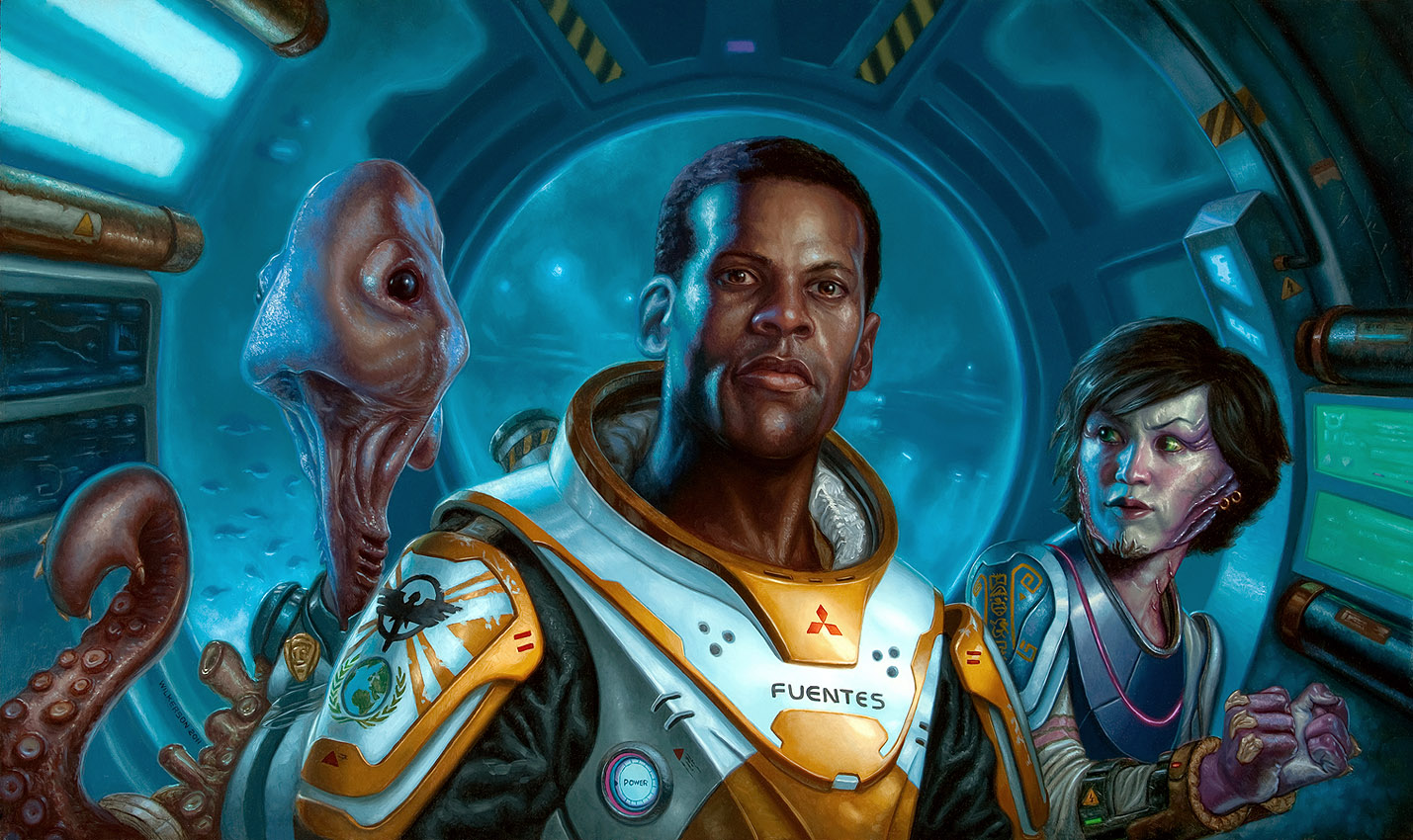
So what is Afro-Futurism? Music critic and writer Mark Dery (1994) coined the term to describe the self-conscious appropriation of technological themes in Black popular culture, particularly in rap and other hip-hop modalities. The term is more than just being “weird” or following different trends, but it is, as sociologist Alondra Nelson says, “to explore futurist themes in Black cultural production and the ways in which technological innovation is changing the face of Black art and culture” (Nelson & Miller, 2006). The appropriation of science and technology by marginalized groups (Eglash & Bleecker, 2001). As a whole, Afrofuturism is a free space that allows the option to explore, imagine, and discover Blackness tangent to science and technology. Afrofuturism, much like cyberfeminism, uses science fiction and cyber culture in a speculative manner to escape the traditional definitions of what it means to be Black or African (in exotic terms) within western culture (Bristow, 2012).
This week at Loyola Marymount University in Los Angeles, I had the opportunity to take part in a 2-day colloquium called “AstroBlackness: Remaking and [Re]Mixing Black Identity Before, Now, and Beyond.” During this colloquium writers, artists, filmmakers, and scholars worldwide are coming together to discuss Afrofuturism from various angles. The colloquium serves as a “space” where the intellectual, creative, literary and even visual expressions of “the black experience” are examined through the prism of Afrofuturism, in a manner that is both abstract and plausible and no longer dominated by monolithic tropes perpetually tied to an urban landscape or exclusively earthbound. The first day's topics and panels included The Black Imagination: Issues and Ideas of Afrofuturism as an Aesthetic; Science Fiction and Race; and Comic Books, Graphic Novels, Animation, and Afrofuturism.
In particular during the panel discussion on “Science Fiction and Race” many of the panelists such as Fantasy and Science Fiction writer Nnedi Okorafor would explain the many difficulties in maintaining the culture and race of their characters [i], while not allowing the narratives or characters be conscripted to “whitewashed” storylines. One question that would spark a huge debate from the panel and the audience dealt with whether or not Afrofuturism should be inclusive of everything that is outside of the box that is black and is sci-fi related. Some scholars such as University of California-Riverside’s Sherryl Vint felt that as a whole critics spend way too much time policing the boundaries of science-fiction, and not allowing it to be a free flowing entity. From its inception Afrofuturism and Science Fiction are genres that have always been unapologetically ‘outside the box’, but yet so many want to prescribe it to a particular formula. As Professor Reynaldo Anderson of Harris Stowe State University mentioned, “Afrofuturism, Science Fiction, Fantasy, and the Speculative [are] all about bending racial categories and rethinking these genres as forms of resistance.” Each of them serve as another transportation mode to a particular space, which allows for this creative resurgence of [astro]blackness on futuristic terms.
As for Day Two, topics from will range from Critical Literature and Radical Race in Science Fiction, to Gender and Race conversations and issues dealing with the Black Imagination and Science Fiction, and finally “The Future of the Afrofuture”. All in all, Afrofuturism continues to serve as this intersection between imagination, technology, the future, and liberation (Womack, 2013). As a genre it not only allows, but also encourages, individuals to unashamedly experiment, re-imagine identities, and activate this sense of liberation (LaFleur, 2011). Using these various avenues mentioned above, Afrofuturism continues to redefine Black culture and notions of Blackness for today and the future.
—————–
[i] Several creators and authors at the colloquium spoke about having to change the race of their characters, lightening their complexion, or adding non-black characters (i.e. white males), because the “higher ups” feel that audiences will not understand, it’s too political, or because it is so-called not marketable.

[i] Several creators and authors at the colloquium spoke about having to change the race of their characters, lightening their complexion, or adding non-black characters (i.e. white males), because the “higher ups” feel that audiences will not understand, it’s too political, or because it is so-called not marketable.
References
- Bristow, T. (2012). We want the funk: What is Afrofuturism to the situation of digital arts in Africa? Technoetic Arts: A Journal of Speculative Research, 10(1), 25-32.
- Dery, M. (1994). “Black to the Future”. In Flame wars: The discourse of cyberculture. Durham, NC: Duke University Press.
- Eglash, R., & Bleecker, J. (2001). The race for cyberspace: Information technology in the black diaspora. Science as Culture, 10(3), 353-374.
- Nelson, A., & Miller, P. D. (2006, June 28). “About Afrofuturism”: Afrofuturism. Retrieved from http://www.afrofuturism.net/text/about.html
- Womack, Y. L. (2013). Afrofurturism: The World of Black Sci-Fi and Fantasy Culture. Chicago: Lawrence Hill Books.